Dragon
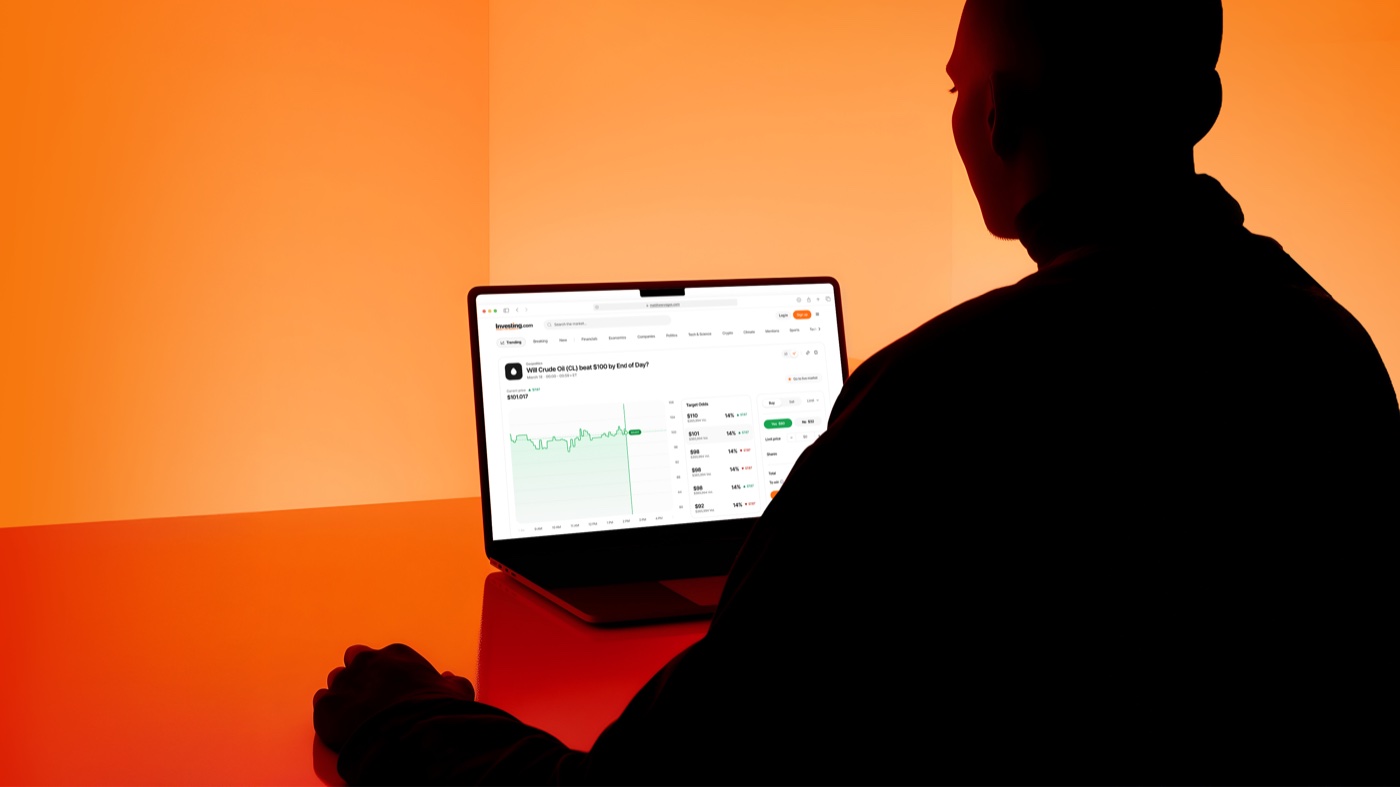
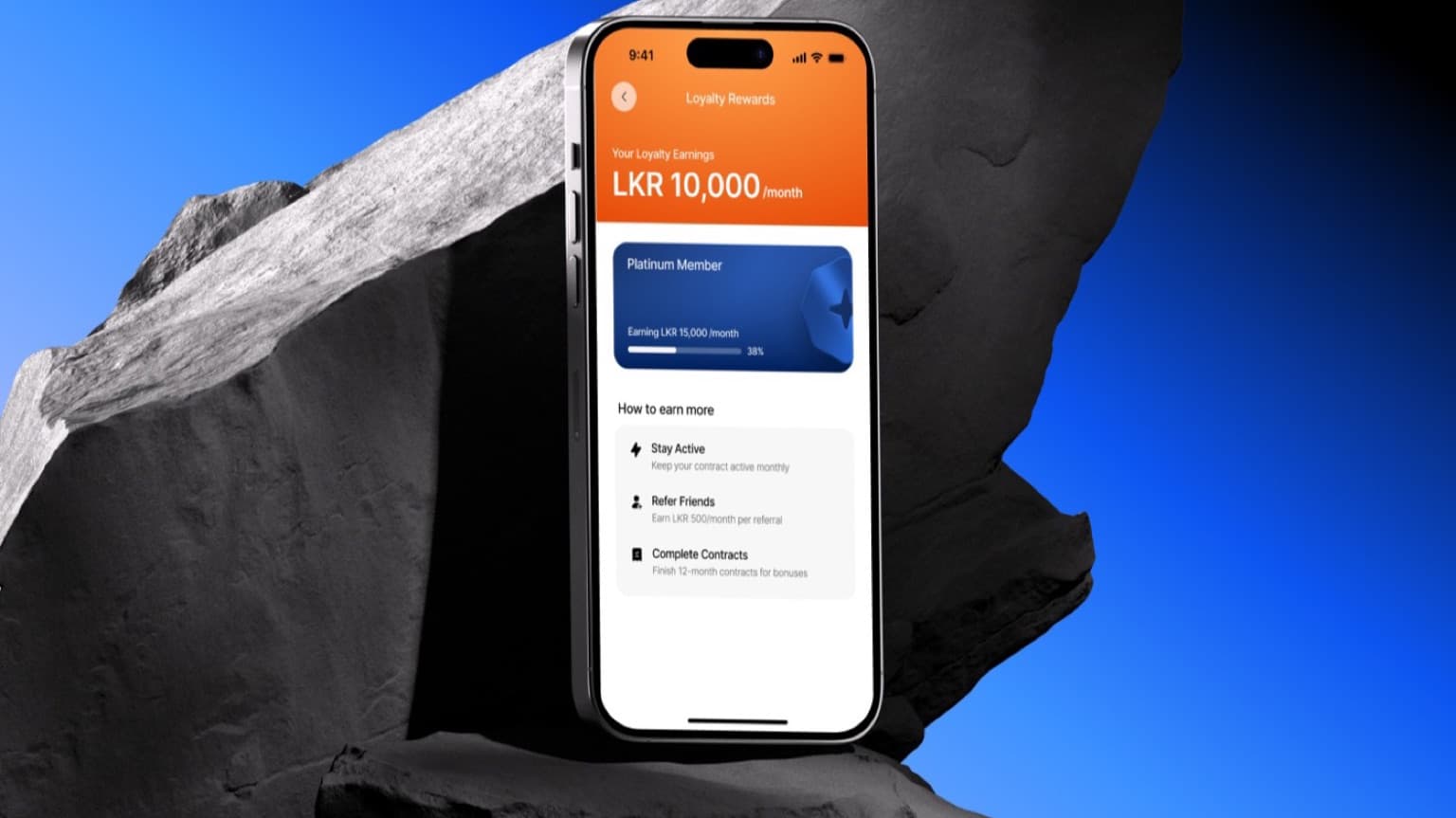
Dragon is a mobile trading app for people who want a position, not a terminal: one watchlist, one order sheet, and a loyalty layer that rewards staying active.
We designed and built the MVP from a napkin sketch to a TestFlight build in six weeks, leading with the flows investors asked to see first.
Industry
Fintech, Mobile Trading
Services
MVP Design, Mobile App, Prototyping
2025
Designers
 Thinuka
 Minindu
Developer
 Iroshan
Intro
The opportunity
A trading app that fits in a coffee break
The founders had a thesis and a term sheet that depended on showing it working. The MVP had to prove three flows — watch, trade, earn — well enough to close the round, and nothing more.
Highlights
Highlight #1
Three taps to a position.
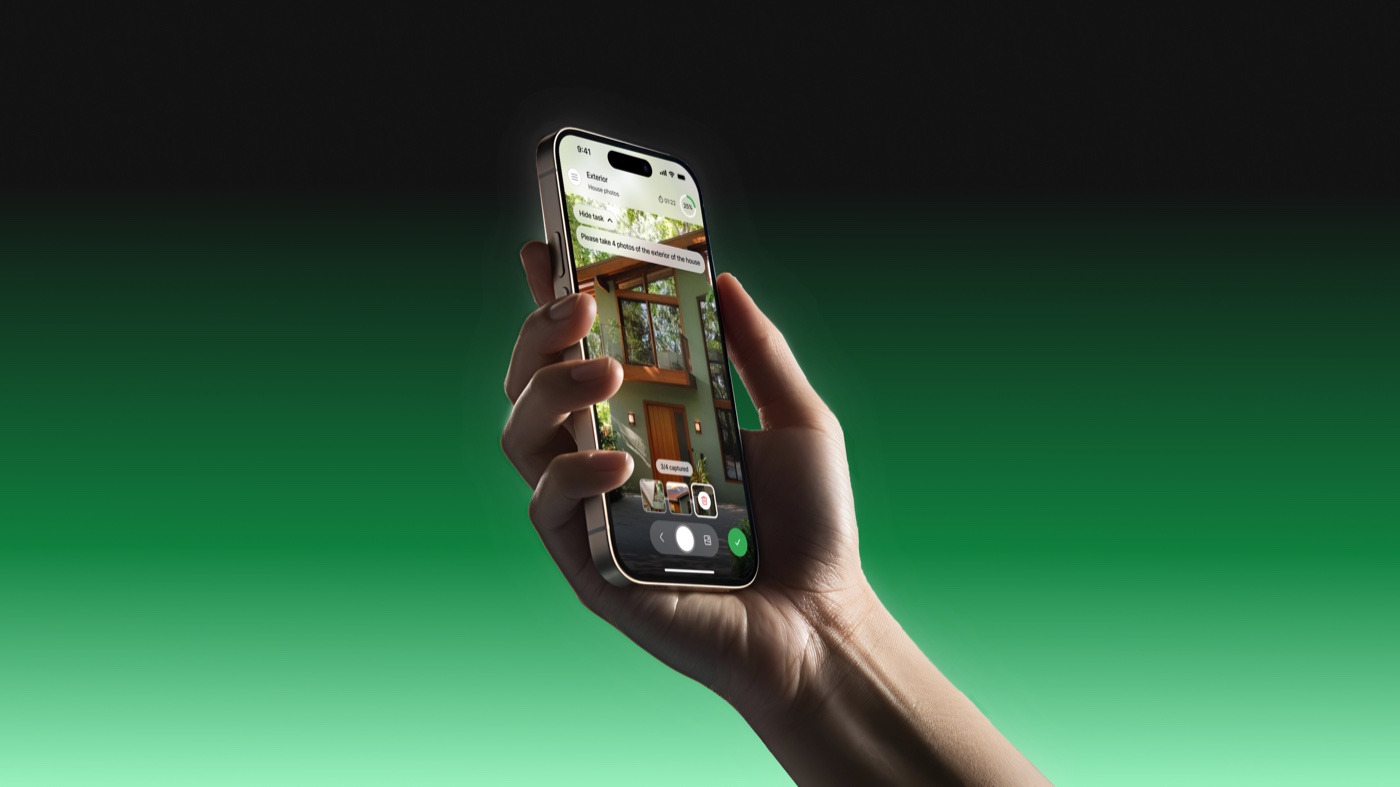
Watchlist, amount, confirm. The order sheet does the rest, with the fee and the fill shown before the user commits.
Highlight #2
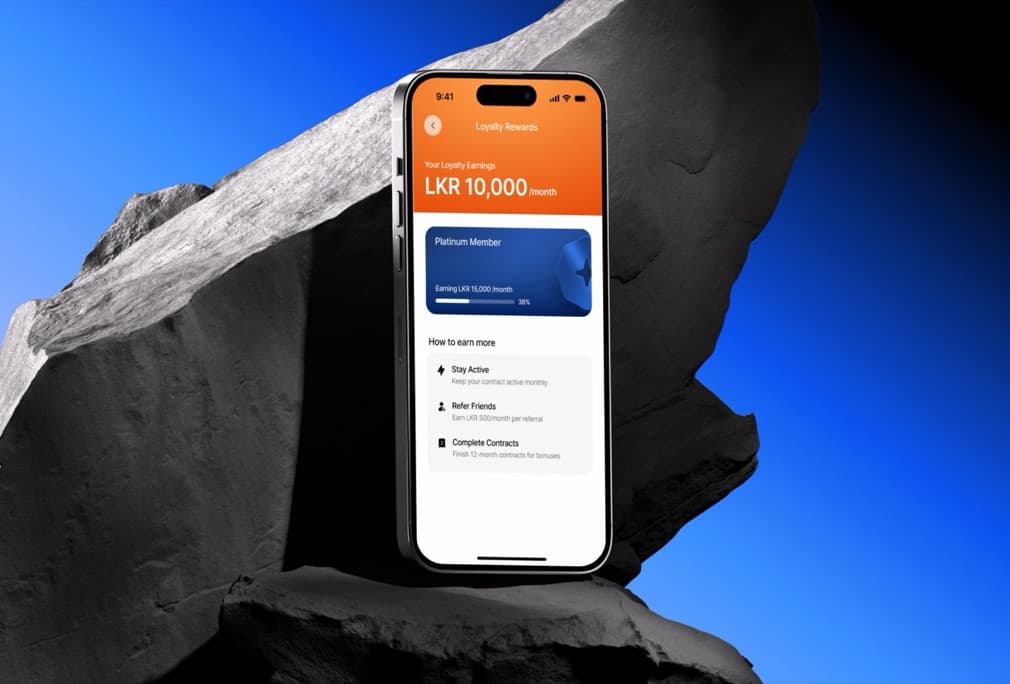
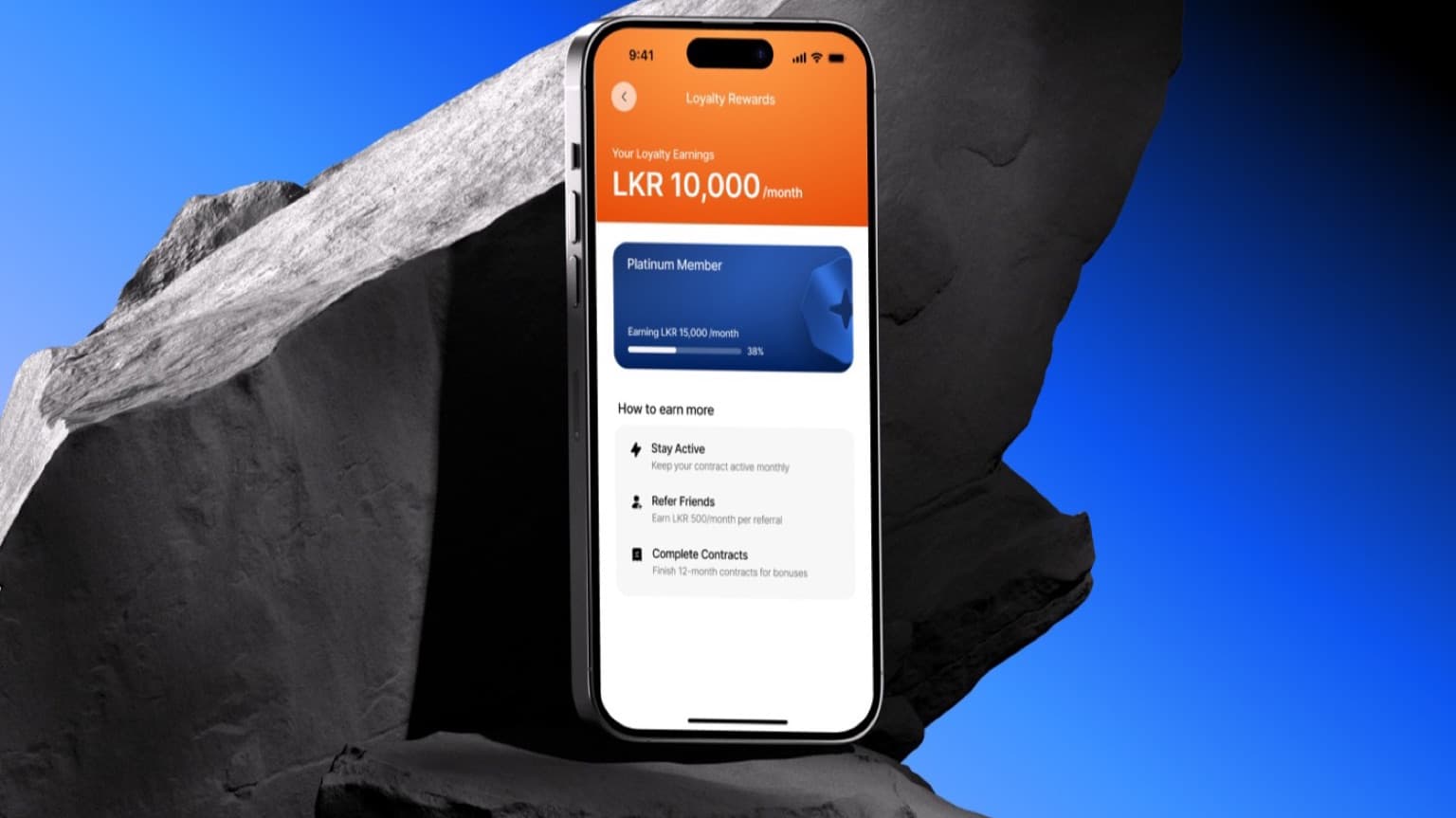
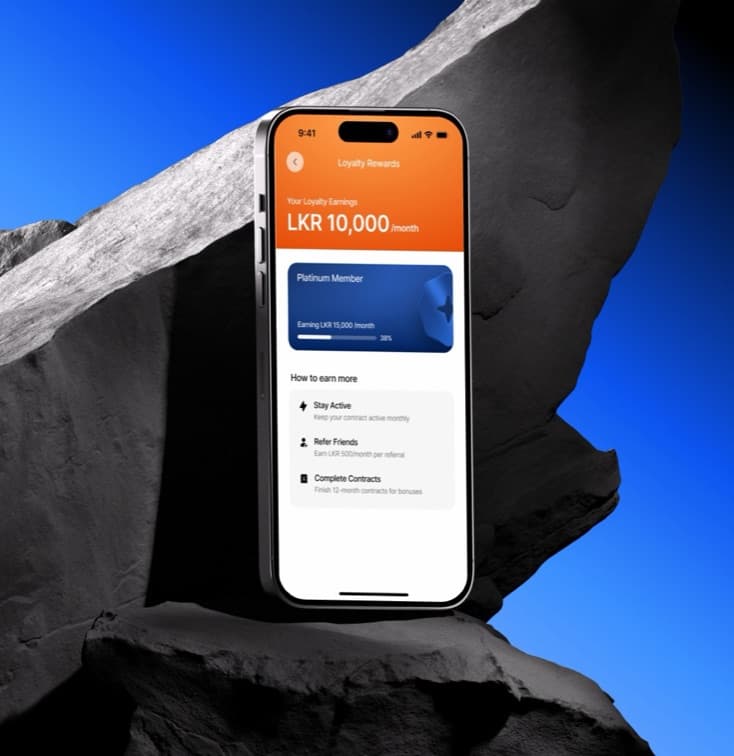
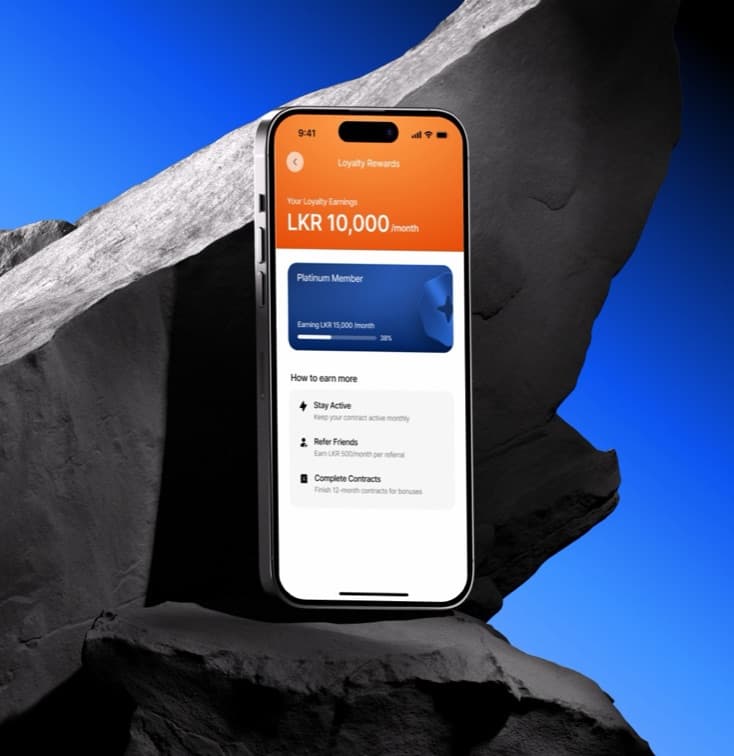
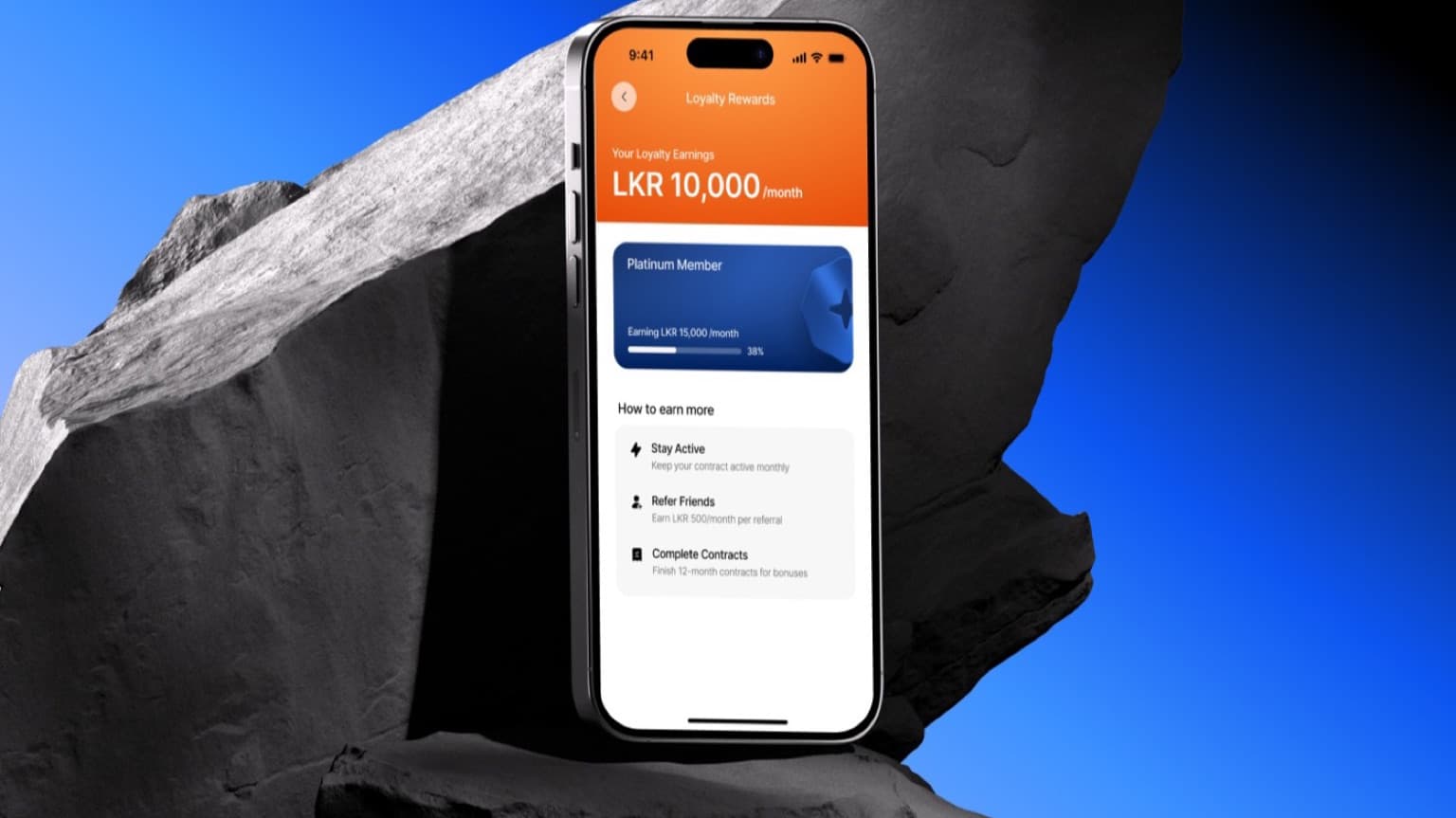
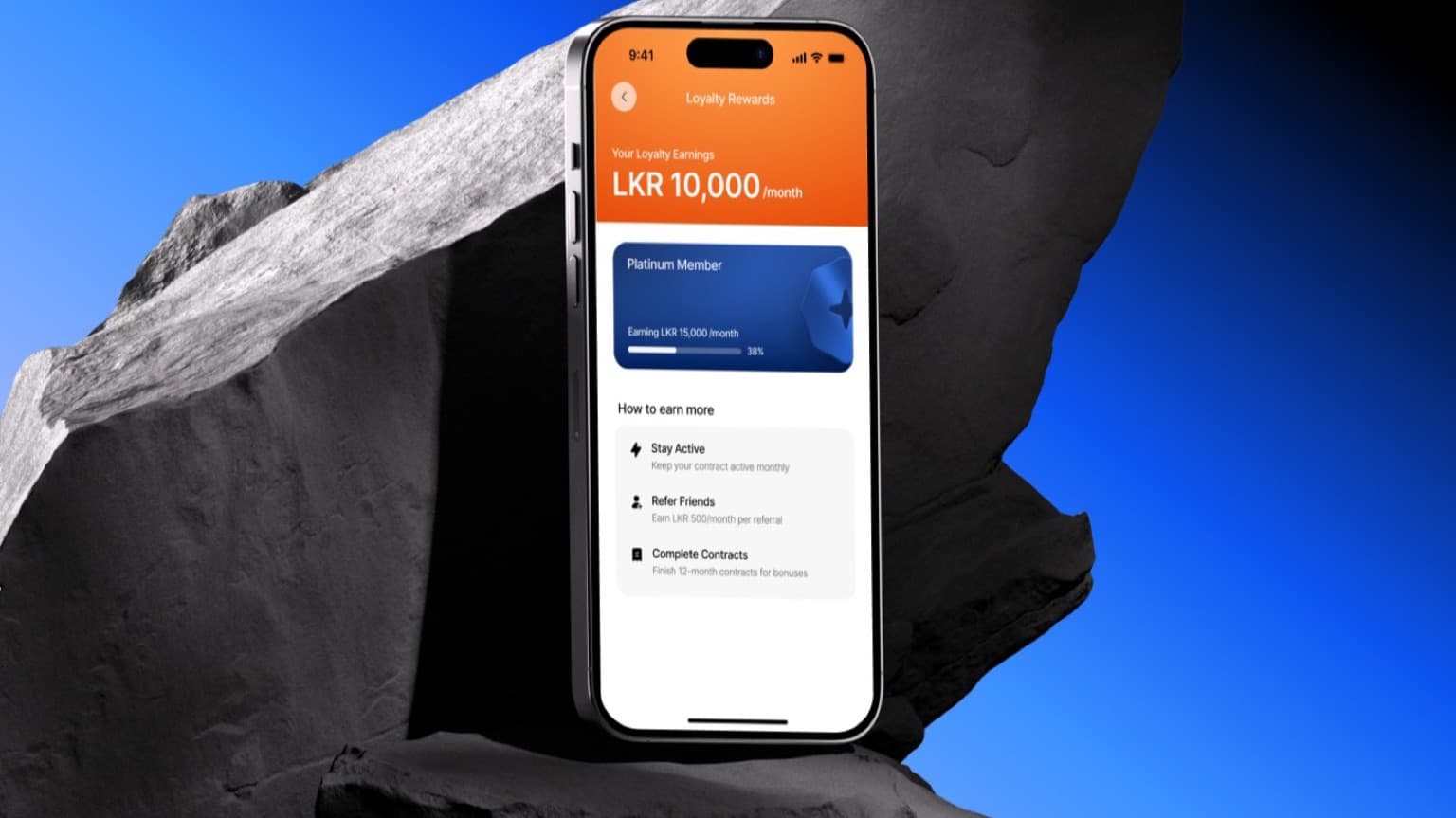
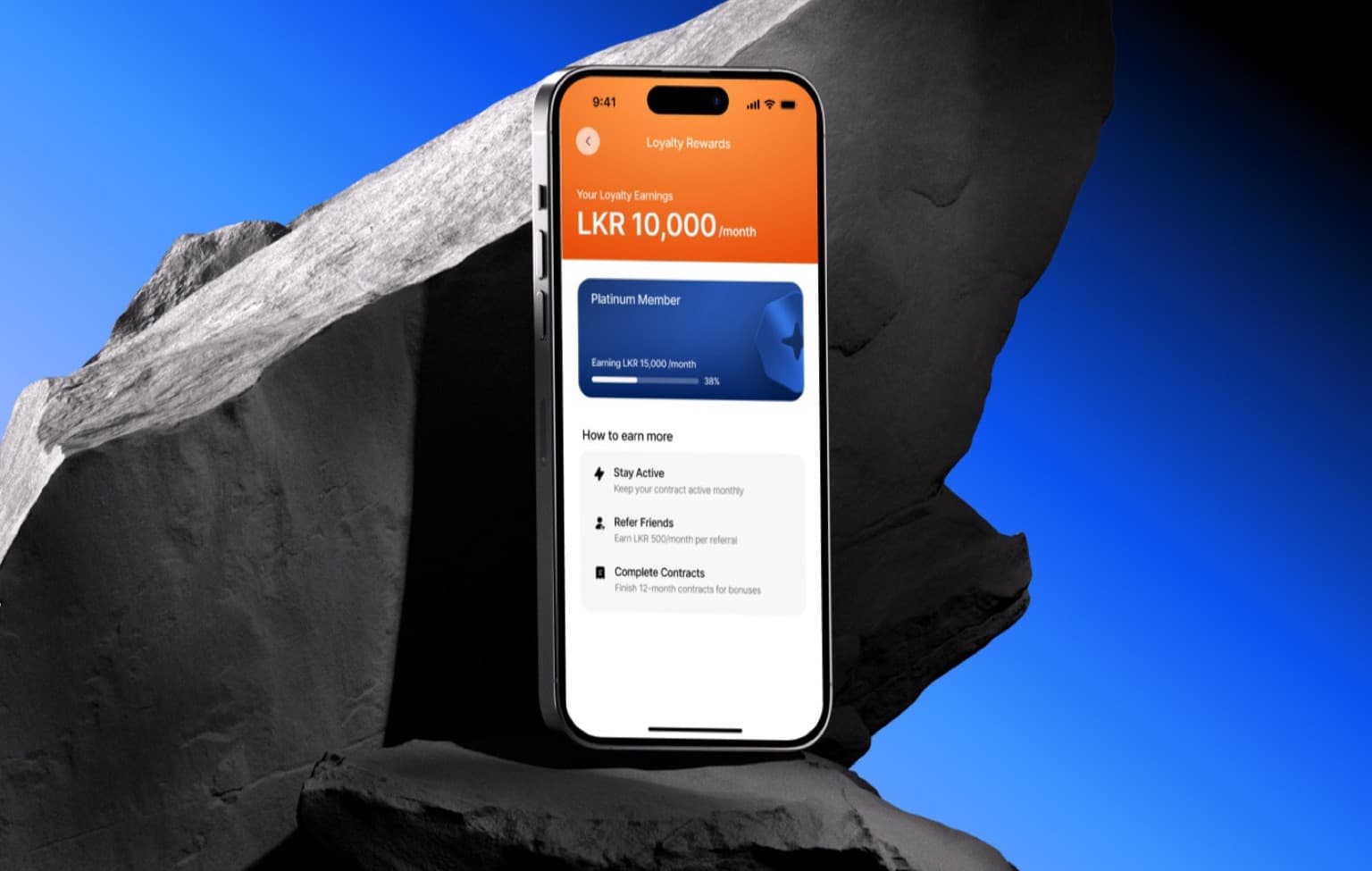
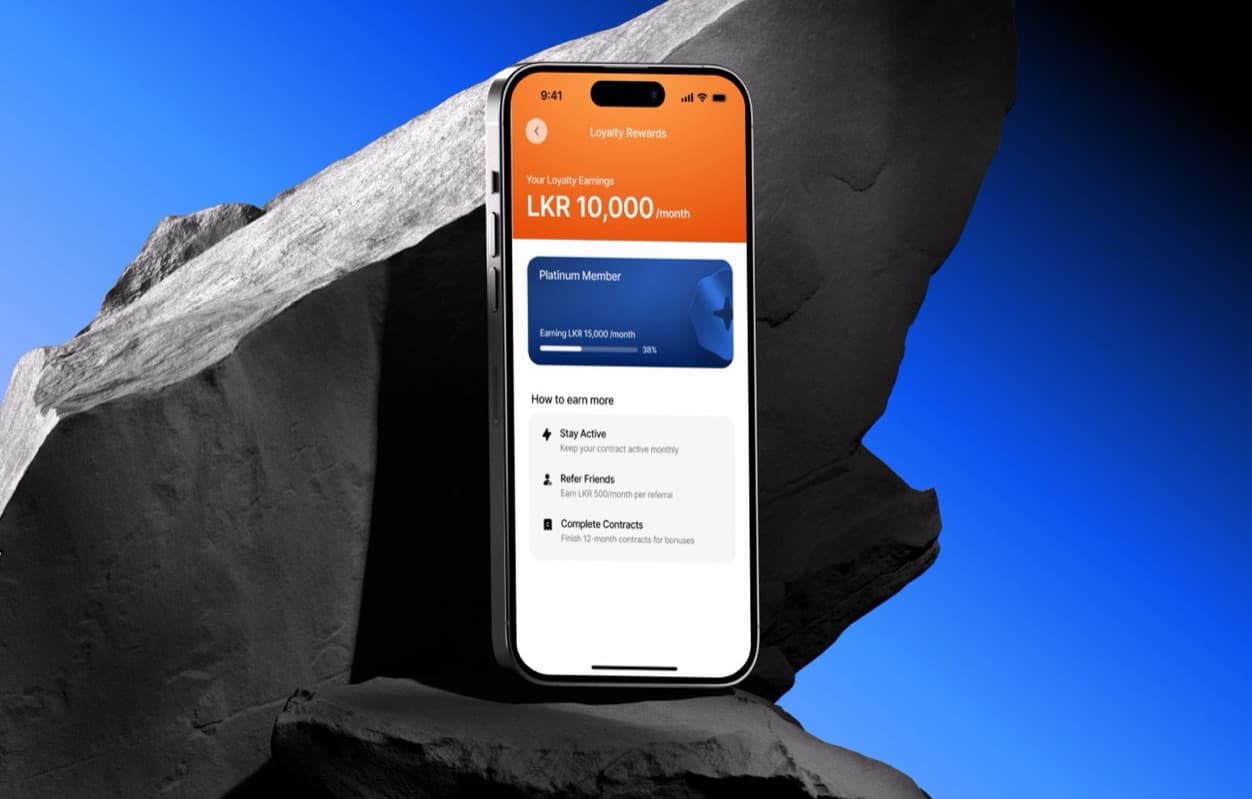
Loyalty that shows its working.
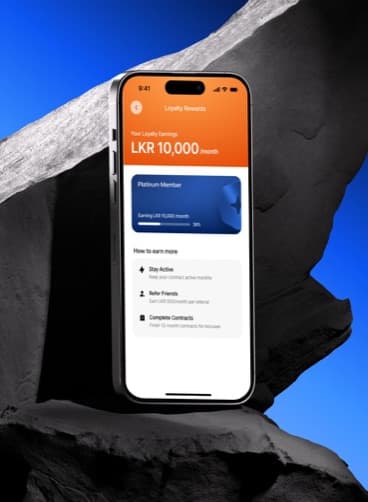
Tier progress, the next reward and how to reach it live on one card, so staying active feels like a game with visible rules.
Design approach
Scope to the pitch, then build it for real
We wrote the investor demo script first and designed backwards from it. Every screen in the MVP is on that script; anything that wasn’t got a placeholder and a note for later.
Background
Where it all started
Dragon arrived as a napkin sketch and a deadline: a seed round that needed a working product on a phone.
The brief was an MVP that felt like a finished app in the parts investors would touch, built in six weeks.
Process
Six weeks, one script.
Week one was the script and the flows. Weeks two to four were screens and a clickable prototype. The last two weeks went into the TestFlight build and the polish investors notice first.
Focus areas:
- 1. Nail the watch–trade–earn loop before anything else.
- 2. Ship a build people could hold, not a deck.
Design execution
From sketch to TestFlight.
We built the MVP in React Native alongside the design, so every screen was tested on a device the week it was drawn. The round closed eight weeks after kickoff.
Key Learnings
- Design backwards from the demo. Scope stays honest when every screen has to earn a line in the script.
- A prototype on a phone beats a deck. Investors held the build; that did more than any slide.
- Placeholders are a feature. Naming what's deferred kept the MVP small without making it feel unfinished.
Got a project or product idea? Let’s bring it to life.
Reach out to hello@haux.studio to get started on yours.